
.png)
work with AI

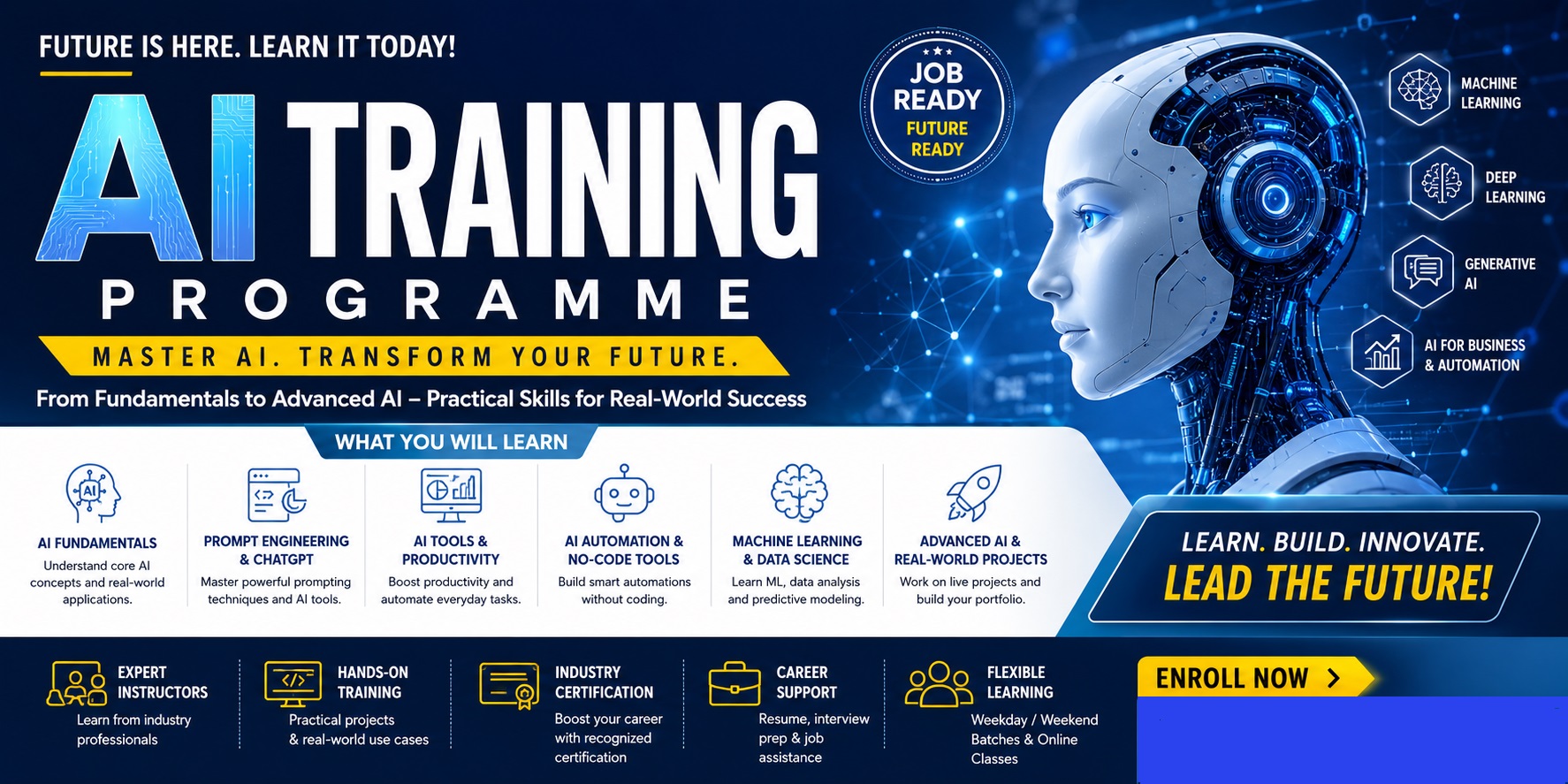
AI Training Is No Longer Optional it is Essential
Written by
Biplab Mal
The Necessity of AI Training for the Future of Education and Work
Artificial Intelligence (AI) is no longer a futuristic concept—it has become an integral part of our daily lives. From virtual assistants and recommendation systems to automated customer service and medical diagnostics, AI is transforming industries at an unprecedented pace. As technology continues to evolve, AI training is becoming a necessity rather than an option for students, educators, and professionals alike.
AI is Reshaping Every Industry
The influence of AI extends across nearly every sector, including healthcare, finance, manufacturing, education, agriculture, transportation, and entertainment. Organizations are increasingly adopting AI-powered solutions to improve efficiency, reduce costs, and make better decisions through data analysis.
As a result, employers are seeking individuals who can work alongside AI tools rather than compete against them. Understanding AI fundamentals, machine learning concepts, prompt engineering, and AI ethics is quickly becoming a valuable career skill.
The Role of AI in Future Education
Education must evolve to prepare learners for an AI-driven world. Traditional learning methods are being enhanced by intelligent tutoring systems, personalized learning platforms, and AI-powered assessment tools.
Introducing AI training into educational curricula enables students to:
- Develop critical thinking and problem-solving skills.
- Learn how AI systems work instead of simply using them.
- Build digital literacy and technological confidence.
- Understand the ethical implications of AI.
- Prepare for careers that may not yet exist.
Rather than replacing teachers, AI can assist educators by automating routine tasks, providing personalized feedback, and allowing more time for meaningful student engagement.
Why AI Skills Are Essential for the Workforce
The workplace of tomorrow will demand more than technical expertise. Employees will need to collaborate with AI systems to increase productivity and innovation.
Some of the most valuable AI-related skills include:
- Prompt engineering for generative AI tools
- Data analysis and visualization
- AI-assisted content creation
- Automation and workflow optimization
- Responsible AI usage and ethics
- Critical evaluation of AI-generated information
Professionals who embrace these skills will be better positioned to adapt to changing job requirements and remain competitive in the evolving employment landscape.
AI Training Benefits Everyone
AI education is not limited to software developers or data scientists. People from all professions can benefit from learning how AI can support their work.
For example:
- Teachers can create personalized learning experiences.
- Doctors can analyze medical data more efficiently.
- Business leaders can make data-driven decisions.
- Marketers can generate targeted campaigns.
- Designers can accelerate creative workflows.
- Entrepreneurs can automate repetitive business processes.
Regardless of profession, AI literacy empowers individuals to work smarter and innovate more effectively.
Ethical and Responsible AI Use
As AI adoption grows, understanding its ethical implications becomes increasingly important. AI training should include topics such as:
- Data privacy and security
- Algorithmic bias and fairness
- Transparency and accountability
- Responsible decision-making
- Human oversight of AI systems
Teaching responsible AI practices ensures that future professionals use technology in ways that benefit society while minimizing potential risks.
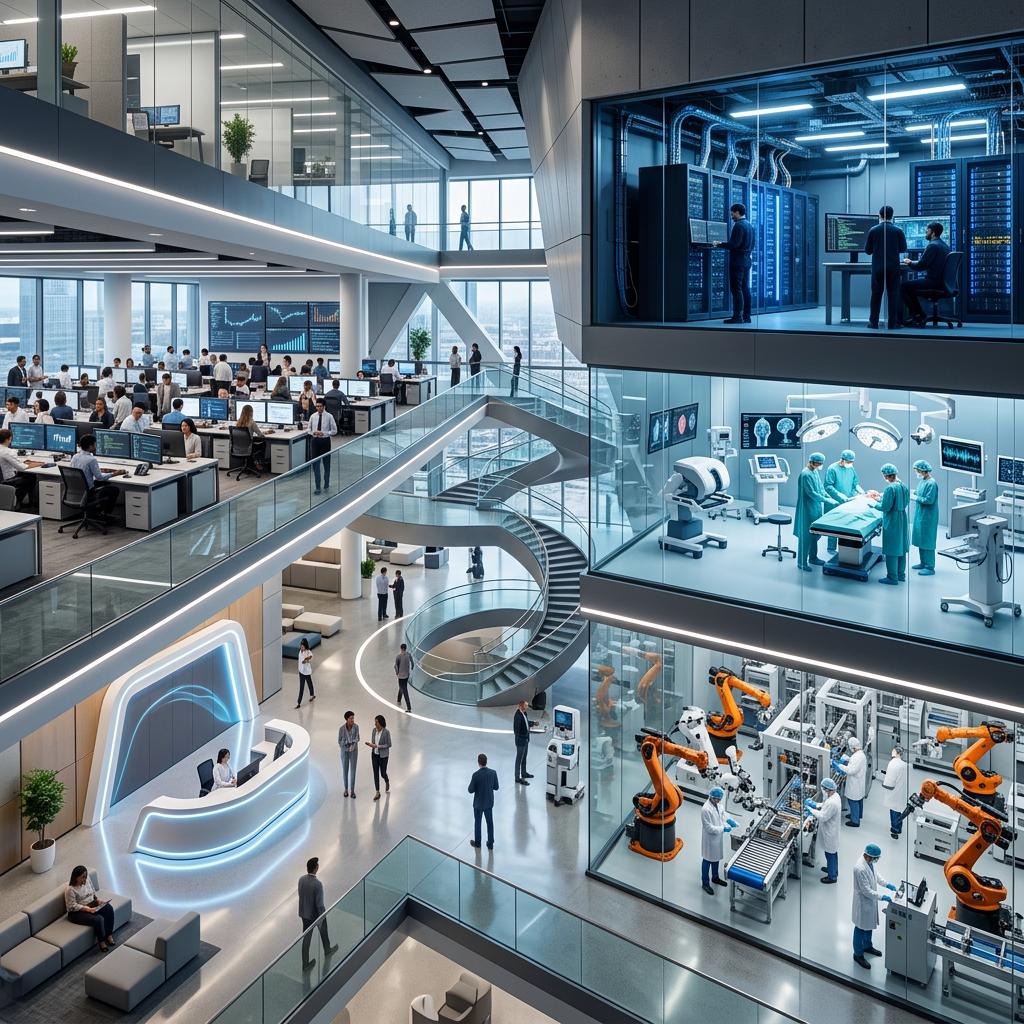
Today AI is being applied in
- Healthcare
- Manufacturing and robotics
- Customer support
- Office automation
- Industrial operations
- Data centers and smart workplaces
Preparing for the Future
Many experts believe that AI will not replace people—it will replace certain tasks. The greatest advantage will belong to individuals who know how to effectively collaborate with AI technologies.
Educational institutions, governments, and businesses should invest in accessible AI training programs to ensure that everyone has the opportunity to develop the skills needed for tomorrow's economy.
Artificial Intelligence is transforming how we learn, work, and solve problems. As AI continues to shape the future, AI education should become a fundamental part of both academic learning and professional development. By equipping students and workers with AI knowledge and practical skills today, we can build a workforce that is adaptable, innovative, and prepared for the opportunities of the digital age.
The future belongs not only to those who use AI, but to those who understand it, apply it responsibly, and continue learning as technology evolves.